
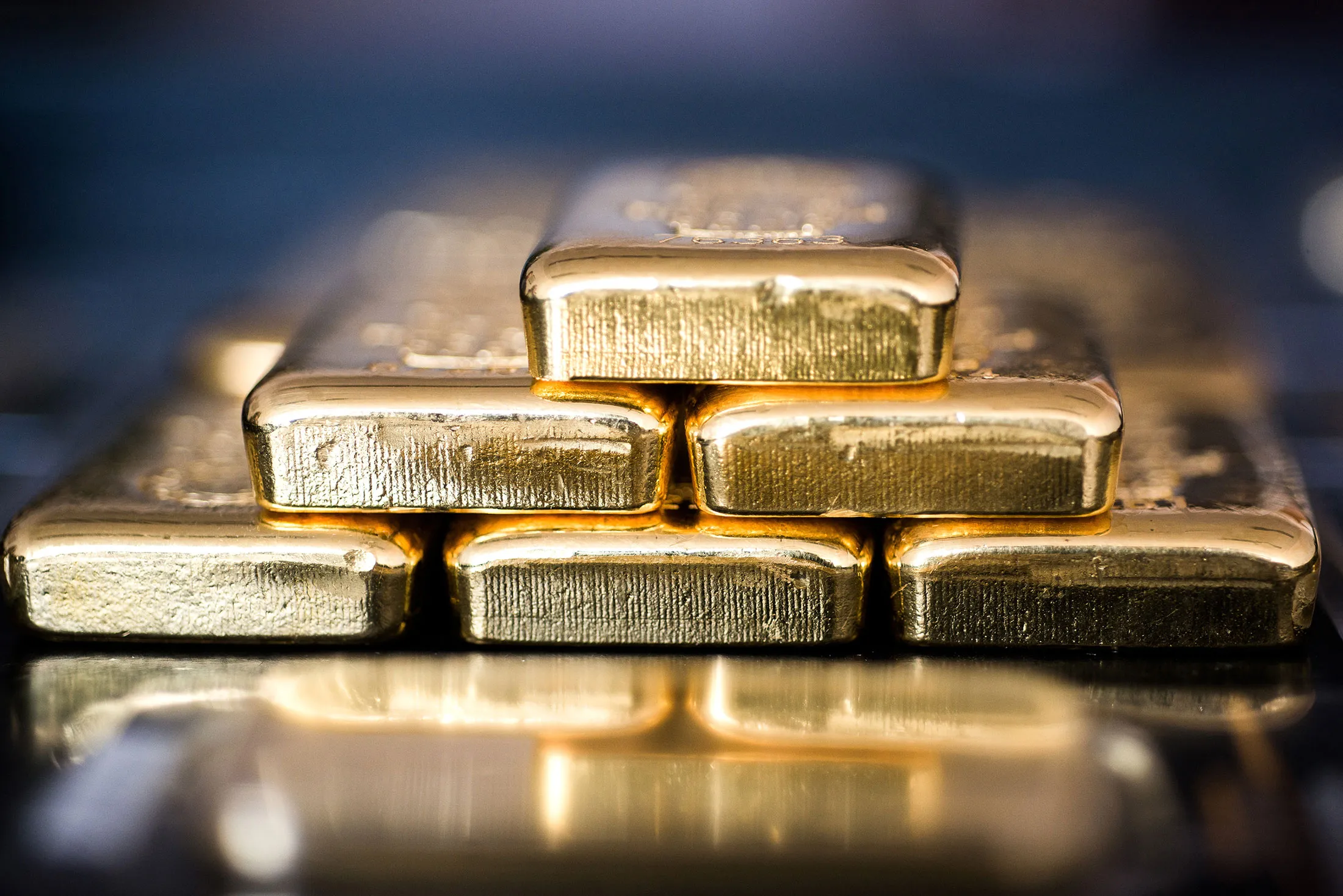
Gold Is Exploding in 2026—Here’s Why Smart Investors Are Rushing In Now
Gold prices are surging in 2026 as interest rates shift and global uncertainty rises. Discover why investors are turning to gold and what it means for your portfolio.
Ivan S. Tawiah
Taw Impact Capital · Market Intelligence
Apr 20, 2026 · 5 min read
Gold prices are surging in 2026 as interest rates shift and global uncertainty rises. Discover why investors are turning to gold and what it means for your portfolio.
The Interest Rate Puzzle
Gold has long held its reputation as a timeless store of value, but in 2026, its role in the global financial system is evolving. No longer just a defensive hedge, gold is increasingly viewed as a strategic asset influenced by central banks, interest rates, and geopolitical uncertainty.As markets navigate inflation concerns, monetary policy shifts, and global instability, gold remains at the center of investor attention.
Geopolitical Uncertainty and Safe-Haven Demand
One of the most important drivers of gold prices is the global interest rate environment—particularly decisions made by the Federal Reserve.Traditionally, rising interest rates weaken gold because the metal does not yield income. Investors tend to favor interest-bearing assets like bonds when rates are high. However, 2026 presents a more nuanced picture.With expectations of gradual rate cuts after years of tightening, gold has found renewed support. Lower rates reduce the opportunity cost of holding gold, making it more attractive to both institutional and retail investors.
Central Bank Accumulation
Gold’s identity as a safe-haven asset remains intact. In times of geopolitical stress, investors typically move capital into gold to preserve value.Ongoing global tensions—from energy market disruptions to regional conflicts—have reinforced this behavior. Each spike in uncertainty has been accompanied by short-term rallies in gold prices, highlighting its enduring role as a financial refuge.Even in a modern, digitized financial system, gold continues to provide something few assets can: trust during instability.
Inflation Hedge or Portfolio Diversifier?
A major trend reshaping the gold market is aggressive buying by central banks.Countries seeking to reduce reliance on the U.S. dollar have been increasing their gold reserves as part of a broader de-dollarization strategy. This shift is particularly visible across emerging markets, where policymakers are diversifying their reserves to enhance financial independence.This sustained demand has created a strong floor under gold prices, making sharp declines less likely compared to previous cycles.
Supply, Demand, and Market Dynamics
Gold has historically been seen as a hedge against inflation, but its performance in recent years suggests a broader function.Rather than reacting solely to inflation data, gold in 2026 behaves more like a portfolio stabilizer. Investors use it to:Reduce volatilityHedge against currency depreciationBalance exposure to equities and bondsThis evolution has made gold a more integrated component of modern investment strategies, rather than a niche defensive asset.
Price Outlook for 2026
On the supply side, gold production remains relatively stable, with limited new discoveries and rising extraction costs.Demand, however, continues to expand across multiple channels:Jewelry consumption, particularly in AsiaInvestment demand through ETFs and bullionCentral bank purchasesThis imbalance between steady supply and growing demand contributes to a structural bullish bias for gold over the long term.
Conclusion
Analysts expect gold to remain well-supported throughout 2026, with potential for moderate upside.Key scenarios include:Base Case:Gold trades within a stable range, supported by steady central bank demand and moderate economic uncertainty.Bullish Scenario:Faster-than-expected rate cuts or heightened geopolitical tensions push gold to new highs.Bearish Scenario:Stronger global growth and persistently high interest rates limit gold’s upside potential.
In 2026, gold is no longer just a passive store of value—it is an active player in global finance.Driven by a mix of macroeconomic forces and structural demand, gold continues to adapt to a changing world. Whether viewed as a hedge, a diversifier, or a strategic reserve asset, its relevance remains undeniable.For investors, the message is clear: gold is not just about safety anymore—it’s about positioning for uncertainty in a complex financial landscape.
Gold prices are surging in 2026 as interest rates shift and global uncertainty rises. Discover why investors are turning to gold and what it means for your portfolio.